Security & Maintenance
Dove Storage • December 2, 2025
When choosing a self-storage facility, security and maintenance are two of the most important factors to consider. Your belongings deserve more than just extra space—they deserve a clean, well-kept, and secure environment where you can store with confidence. At Dove Storage, we take both seriously, making sure every customer feels at ease knowing their items are protected and stored in top condition.
1. Security You Can Trust
Peace of mind starts with knowing your belongings are safe. That’s why Dove Storage locations are designed with multiple layers of protection. Our facilities feature gated access with unique entry codes, fenced perimeters, and bright, well-lit surroundings to ensure visibility and safety at all hours of the day.
We also use advanced camera surveillance systems that monitor the property, helping to deter unauthorized access and provide an extra layer of reassurance. Every storage unit is built with durable materials and secure locks—because protecting what matters to you is our top priority.
Pro Tip:
When choosing your storage unit, use a high-quality lock for added protection and check that your insurance covers stored items.
2. A Commitment to Cleanliness and Care
At Dove Storage, we believe that a well-maintained facility reflects how much we care about your belongings. Our staff conducts routine property checks to ensure that units, hallways, and outdoor areas remain clean, dry, and free from debris.
We also take pride in keeping our units pest-free and weather-protected, so your items stay in the same condition you left them. From climate-controlled options to drive-up units, every space is designed to offer both convenience and care.
Pro Tip:
Use airtight containers or sealed bins for items like fabrics, documents, or electronics to maintain their quality while in storage.
3. Regular Maintenance You Can Rely On
Maintenance isn’t just about appearances—it’s about ensuring your storage experience stays smooth and hassle-free. Our team regularly inspects doors, lighting, and building systems to keep everything functioning properly. We promptly address any repairs or upkeep needs so that our facilities continue to meet high standards of quality and reliability.
This proactive approach means you can focus on organizing and storing your belongings without worrying about the condition of the facility.
Pro Tip:
Visit your unit periodically to check your items and rotate seasonal belongings. It’s a great way to stay organized and ensure everything remains in top shape.
4. Safe, Reliable Storage You Can Count On
Whether you’re storing for a few months or the long term, you deserve a facility that’s both secure and well-maintained. At Dove Storage, we combine thoughtful design, consistent upkeep, and dependable security measures to protect your belongings and provide a positive storage experience.
Your trust matters to us, and we’re dedicated to maintaining the clean, safe, and reliable spaces that our customers have come to expect.
At Dove Storage, we go beyond just offering space—we provide security, cleanliness, and peace of mind. Discover a storage facility that treats your belongings with the same care you do. Visit Dove Storage today to find a secure and well-maintained unit that fits your needs.

Keeping your belongings safe is one of the most important things when you choose a storage unit. At Dove Storage, we know peace of mind matters just as much as space. Whether you're storing household items, business inventory, or keepsakes, here are the key security features you should look for — and how Dove Storage delivers. 1. Secure Access Controls Before anything else, your storage facility should make sure only authorized people can enter. Gated or locked perimeter – prevents unauthorized vehicles or folks from entering. dovestorage.com+2dovestorage.org+2 Personalized access codes or keycards for each tenant – so you know access is limited to who should be there. dovestorage.com+1 Drive-up or indoor unit layouts where access points are controlled and supervised. Indoor units typically offer added protection. dovestorage.com+1 Why this matters: If your items are stored behind strong access control, there’s less chance of unauthorized entry, theft or accidental access. At Dove Storage we provide locked entry points and verified tenant access so your unit isn’t just out of sight—it’s out of reach from the wrong people. 2. Surveillance & Monitoring Once access is locked down, the next layer is monitoring. High-definition surveillance cameras covering key zones: entrances, unit halls, exterior perimeters. dovestorage.com+1 Motion sensors or activity detection systems to send alerts if something unusual happens. dovestorage.org+1 Well-lit exteriors and unit corridors to improve visibility and safety. dovestorage.com Why this matters: The presence of cameras and sensors deters potential threats and also helps if you ever need to review an incident. It ensures your items are under watch even when you’re not there. 3. On-Site and Unit-Specific Protections It’s one thing to secure the facility at large; it’s another to safeguard what’s inside your unit. Clean, well-maintained buildings that show the operator is invested in security and upkeep. dovestorage.org Indoor or climate-controlled units that add an extra layer by being inside a secure structure. dovestorage.org+1 Strong, tamper-resistant locks on individual units and encouragement for tenants to use high-quality padlocks. dovestorage.com+1 Why this matters: Even if the facility is secure, if your unit is poorly maintained, or the door lock is cheap, your items may still be vulnerable. At Dove Storage, we partner secure facility design with tenant-friendly advice for best practices (e.g., quality locks, well-stacked units). 4. Digital & Tech-Driven Features Modern facilities go beyond fences and cameras. Digital rentals, access logs, and online payment systems for less paperwork and more transparency. dovestorage.org Smart access systems: keyless entry codes, mobile apps, or unique tenant verification. dovestorage.com Automated monitoring systems that alert staff to anomalies faster. dovestorage.com+1 Why this matters: Technology can make your storage experience smoother and safer — less manual handling means fewer gaps. By integrating digital access and logs, Dove Storage ensures that access is both convenient for you and accountable for us. 5. Transparent Protection & Customer Participation Security isn’t just about what the facility provides—it’s also about what you do. Clear guidelines on what you should store (and how) to minimize risk. dovestorage.com+1 Advice on keeping an inventory of your stored items, taking photos, and using quality containers/locks. dovestorage.com Protection plan or insurance options to cover unexpected events or losses. dovestorage.com Why this matters: The best security features in the world won’t fully protect you if you don’t participate in the process. At Dove Storage we’ll walk you through best practices: packing well, labeling clearly, and keeping records to make sure your items are retrievable and protected. 6. Routine Maintenance & Facility Condition A strong security system is only effective if the facility is well-maintained. Regular inspections to ensure cameras, gates, locks, and lighting are all operational. Clean, dry storage units free from leaks, pests, or structural issues. dovestorage.org+1 Clear signage, good landscaping (which can reduce hiding spots), and safe pathways for customers. Why this matters: A neglected facility raises risk — from water damage to break-ins. At Dove Storage we commit to clean, well-kept facilities because security starts with good upkeep. 7. Access for Peace of Mind (Within Operational Structure) While some storage providers advertise “round-the-clock” access, what matters most is that you can access your unit when you need it, and that access is secure. During operating hours (or the access hours your facility supports), the facility should manage secure entry and exit. Even outside normal hours (if available), access should still be covered by the same strong controls, surveillance and logging. Your ability to retrieve items shouldn’t compromise security—for example, by having unlocked doors or unrestricted entry. Why this matters: The flexibility to access your items is valuable—but only if it doesn’t reduce safety. At Dove Storage we focus on giving you secure access under controlled conditions, so you’re never trading convenience for risk. Final Thoughts Choosing a storage unit is more than just finding space—it’s about finding safe space. With the right features in place, you can store with confidence. At Dove Storage, we bring together solid access controls, modern surveillance, digital tools, and customer-centered practices so you can focus on what matters: your belongings, not the “what ifs.” If you’re ready to store items and want a facility built with security in mind, visit us or contact us to learn how Dove Storage can help make a smart, safe choice for your storage needs.

When you rent a self-storage unit, you’re trusting it to keep your belongings safe and secure. Whether you’re storing furniture, business inventory, seasonal décor, or sentimental keepsakes, it’s easy to assume your items are fully protected once inside a storage facility. However, while facilities like Dove Storage are built with security in mind, having a protection plan adds an essential layer of safety—and peace of mind. Let’s explore why a protection plan is a smart choice for your storage unit and how it helps safeguard the things that matter most. 1. Understanding What a Storage Protection Plan Covers A protection plan helps safeguard your stored belongings from unexpected events such as fire, theft, water damage, or natural disasters. Even though facilities like Dove Storage take extensive measures to maintain secure and well-maintained units, unforeseen incidents can still occur. Depending on your plan, coverage may include: Fire and smoke damage Water or storm damage Theft or vandalism Pest-related damage Accidental damage during handling It’s always best to review your plan carefully to understand exactly what’s covered and any exclusions that might apply. 2. Why Your Homeowners or Renters Coverage Might Not Be Enough Many people assume their homeowners or renters coverage automatically protects items kept in a self-storage unit. While some policies extend limited off-site coverage, it often comes with restrictions—typically covering only a small percentage of your total property value. For example, if your homeowners policy provides 10% off-site coverage, and your belongings are worth $20,000, only $2,000 would be protected while in storage. That might not be enough to replace valuable furniture, electronics, or collectibles. That’s why it’s worth confirming with your provider or considering a separate storage protection plan designed specifically for your needs. 3. Protecting Your Belongings Beyond Facility Security At Dove Storage, our facilities feature gated access, security cameras, and well-lit premises to keep your belongings safe. But even with these strong security measures, a protection plan provides an added safeguard against unpredictable events that no one can control. Think of it as a partnership—you handle the protection plan, and we handle the secure storage environment. Together, your belongings get the best protection possible. 4. What to Consider When Choosing a Storage Protection Plan Before selecting a plan, take time to evaluate: The total value of your stored items: Create an inventory list and estimate replacement costs. The type of items you’re storing: Certain valuables like jewelry, antiques, or collectibles may need special coverage. Plan exclusions: Some plans don’t cover mold, mildew, or flood damage, so review terms carefully. Deductibles and claim limits: Know what you’d pay out-of-pocket in case of loss or damage. Pro Tip: Keep photos or a digital record of your stored belongings. It not only helps with claims but also makes managing your inventory easier over time. 5. How a Storage Protection Plan Gives You Peace of Mind A protection plan isn’t just about financial safety—it’s about confidence. Knowing your items are covered helps you store with less worry and more freedom. Whether you’re between moves, running out of space at home, or safeguarding business inventory, a protection plan ensures your investment is protected. By combining Dove Storage’s secure facilities with a reliable protection plan , you’ll have the reassurance that your belongings are in good hands—no matter what life brings. 6. Make the Smart Choice for Your Stored Belongings Protecting your possessions starts with choosing the right storage facility and the right protection plan. At Dove Storage, we provide clean, secure, and affordable storage units in a range of sizes to meet your personal or business needs. While we do our part to keep your items safe, a storage protection plan ensures you’re covered from every angle—because your peace of mind is priceless. Visit Dove Storage today to find the perfect unit for your needs and learn more about keeping your belongings protected and secure.

When it comes to storing your belongings, security is one of the most important things to consider. Whether you’re keeping family heirlooms, business inventory, or seasonal items, you want peace of mind knowing your valuables are safe. But how do you really know if a self-storage facility is secure? Here’s what to look for before renting—and how Dove Storage helps keep your belongings protected. 1. Check for Secure Access Controls A good self-storage facility limits who can enter the property. Look for gated access where only tenants can enter using personalized codes or keycards. This helps prevent unauthorized individuals from getting onto the property and adds a controlled layer of protection for every unit. At Dove Storage , our facilities are designed with secure access systems that help ensure only customers and staff can enter the premises. 2. Look for Well-Lit, Monitored Premises Lighting and visibility are major parts of a secure environment. Brightly lit driveways, hallways, and entrances deter unwanted activity and make tenants feel safer when visiting their units—day or night. Our Dove Storage locations feature well-maintained lighting and camera monitoring throughout the property to help protect your belongings and ensure a safe environment for all visitors. 3. Evaluate the Property’s Overall Maintenance A clean, well-kept facility often reflects strong management and attention to detail—both essential for security. Broken gates, dim lights, or damaged fencing can be red flags that a facility isn’t properly monitored. At Dove Storage, we take pride in maintaining our facilities with regular inspections and upkeep. This commitment to cleanliness and organization helps ensure a safe, reliable experience for every customer. 4. Consider Indoor and Climate-Controlled Units Indoor and climate-controlled units add an extra level of protection. These units are typically located within locked buildings, offering an additional layer of security while also keeping your items safe from extreme temperatures and humidity. Climate-controlled units are ideal for sensitive items like electronics, wood furniture, documents, and photos—helping preserve their condition long-term. 5. Ask About Surveillance and Staff Presence A storage facility’s surveillance system plays a key role in security. Continuous camera monitoring helps record activity and provides peace of mind that the property is under watch. Some locations also have on-site staff who regularly check the grounds and assist tenants. Dove Storage locations are equipped with security systems and monitoring tools designed to keep your items protected around the clock. 6. Review the Unit’s Locking Options Your unit’s lock is the first line of defense. Look for facilities that allow or recommend high-quality locks such as disc locks or cylinder locks, which are harder to tamper with than standard padlocks. When you rent from Dove Storage, our team can guide you on the best lock type for your unit to help enhance your personal security. 7. Read Reviews and Ask Questions Before you sign a rental agreement, take time to read online reviews and ask the facility team about their security measures. Transparency is a good sign that the management values your trust and the safety of your belongings. At Dove Storage, we’re always happy to answer your questions about how we keep your items safe and our commitment to maintaining a secure, welcoming facility. Peace of Mind Starts with the Right Storage Choice Your belongings deserve a facility that values safety, cleanliness, and care. By checking for access control, surveillance, proper lighting, and maintenance, you can confidently choose a storage provider that meets your needs. At Dove Storage, we make your peace of mind our priority. With secure access systems, clean facilities, and a variety of unit options, we provide the reliable storage solution you can count on. Visit Dove Storage to find a secure, affordable unit near you and experience storage that keeps your belongings—and your confidence—protected.
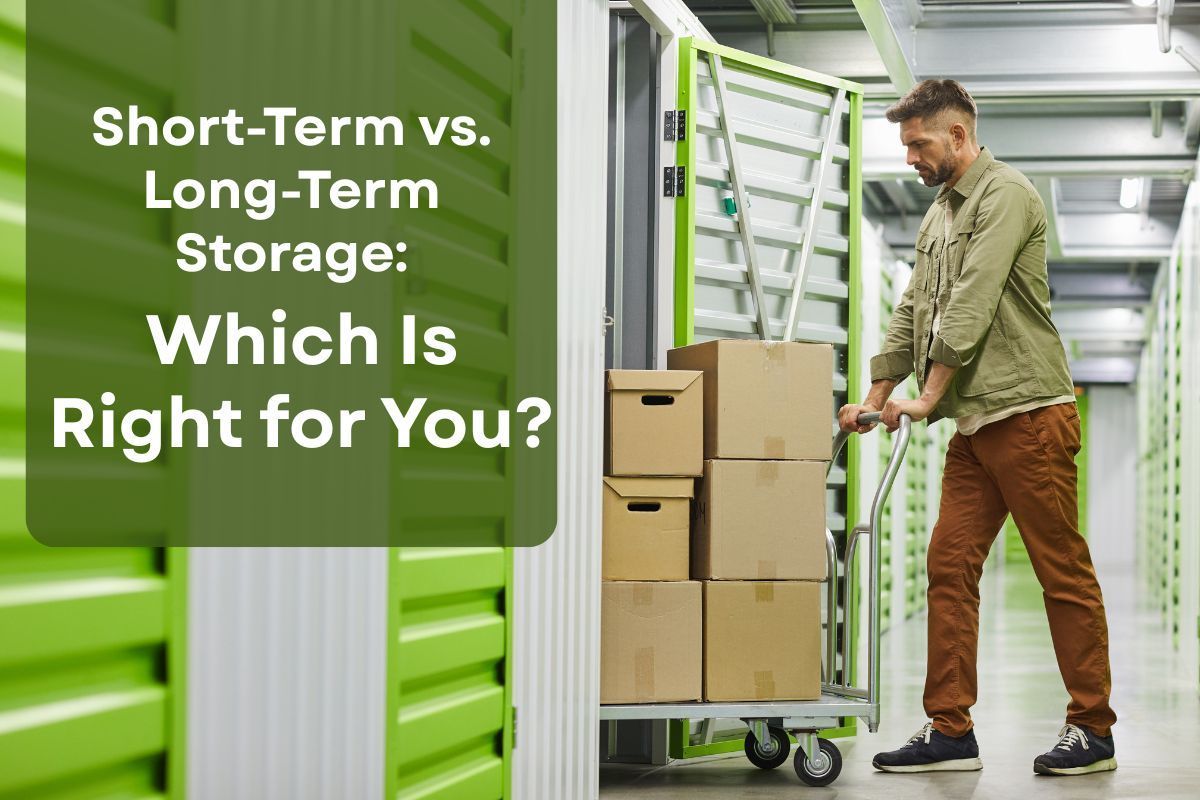
Life is full of transitions—moving to a new city, remodeling your home, welcoming a new family member, or simply needing extra space for your belongings. Whatever the reason, self-storage offers a flexible solution to help you stay organized and in control. But one important question often comes up: Should you choose short-term or long-term storage? While both options can make your life easier, they serve different needs. Understanding the differences will help you choose the right storage plan for your situation—and make the most of your space. 1. What Is Short-Term Storage? Short-term storage typically means renting a unit for a few weeks or months—ideal for temporary transitions or specific projects. You might need short-term storage if you’re: Moving between homes or apartments Renovating or decluttering Storing belongings during a college break or seasonal job Keeping furniture safe during a move or staging a home for sale Short-term storage gives you flexibility without a long commitment. You can rent for as little or as long as you need—perfect for life’s in-between moments. Pro Tip: When choosing short-term storage, consider drive-up units for quick access and easier loading and unloading, especially if you’ll be visiting your unit frequently. 2. What Is Long-Term Storage? Long-term storage is designed for keeping items safely stored for several months—or even years. This option works best for: Storing family heirlooms, collectibles, or keepsakes Holding furniture or household goods during extended travel or relocation Businesses needing offsite storage for inventory, documents, or equipment Military personnel or retirees downsizing their homes Long-term storage offers peace of mind for items you don’t need regular access to but still want to keep safe and in good condition. Pro Tip: For long-term storage, climate-controlled units are ideal. They help protect against temperature changes and humidity, keeping your items—especially wood, fabric, or electronics—in great shape year-round. 3. Key Differences Between Short-Term and Long-Term Storage Short-term storage typically lasts from a few weeks to a few months and is ideal for moves, home remodels, or any temporary need. It works best for frequent access and is usually paired with drive-up or standard units for convenience and flexibility. On the other hand, long-term storage spans several months to years and is better suited for long relocations, downsizing, or storing valuable items. Since access is less frequent, climate-controlled units are recommended to ensure protection and long-term preservation. 4. How to Decide Which Option Fits Your Needs Ask yourself a few simple questions: How long do I plan to store my items? How often will I need to access them? Are my belongings sensitive to temperature or humidity? Am I storing for a short project or long-term lifestyle change? If your situation is temporary—like moving or renovating—short-term storage is the better fit. If you’re storing valuable or rarely used items for months or years, long-term storage gives you the protection and stability you need. 5. Tips for Both Short- and Long-Term Storage No matter which option you choose, proper packing and organization go a long way in protecting your belongings. Use sturdy boxes and avoid overfilling them. Label everything clearly for easy retrieval. Store heavier boxes at the bottom and lighter ones on top. Keep an inventory list or take photos for reference. Visit your unit periodically to check on your items and reorganize if needed. These small steps help keep your storage experience smooth and stress-free—whether it’s for a few weeks or several years. 6. Find the Right Storage Solution at Dove Storage At Dove Storage , we make it easy to find a storage solution that fits your timeline, budget, and needs. Whether you’re looking for short-term flexibility or long-term peace of mind, we offer clean, secure, and affordable storage units in a variety of sizes. Our facilities are designed with convenience and safety in mind, so you can store your belongings confidently—no matter how long you need. Visit Dove Storage today to find the perfect unit and see how we can help simplify your storage experience.
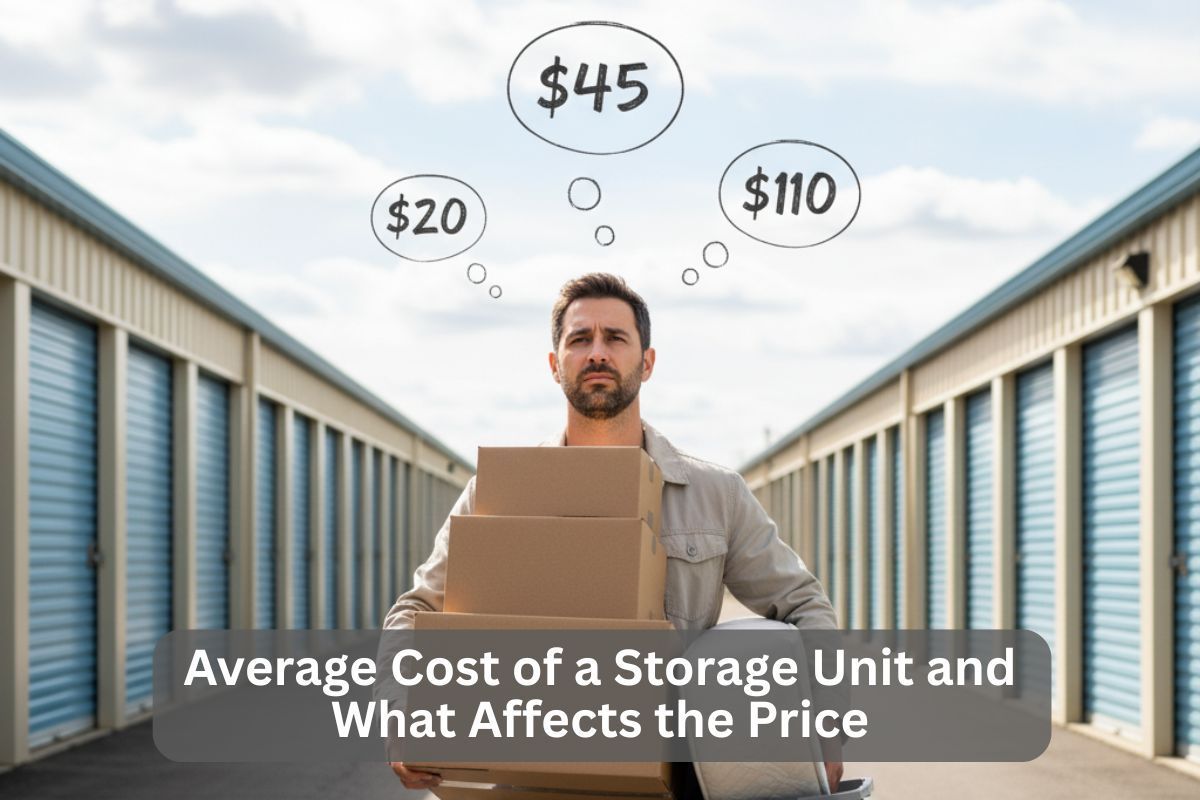
Whether you’re moving, downsizing, or simply need extra space, renting a storage unit can be a smart and convenient solution. But one of the first questions most people have is, “How much does a storage unit cost?” The answer depends on several key factors — from the size and type of unit to its location and available features. At Dove Storage, we’re committed to helping you find the right unit at a fair price. Here’s what you need to know about the average cost of storage and what affects those prices. 1. Average Cost of a Storage Unit On average, self-storage units can range anywhere from around $50 to $250 per month , depending on several factors. Smaller units, like 5x5 or 5x10 spaces, typically cost less, while larger ones — such as 10x20 or 10x30 — come with higher monthly rates. For example: Small Units (5x5 or 5x10): Great for boxes, small furniture, or seasonal items. Medium Units (10x10): Perfect for the contents of a one-bedroom apartment. Large Units (10x20 or larger): Ideal for storing furniture, vehicles, or business inventory. When comparing prices, it’s important to look beyond the monthly rate. The value you get — such as location convenience, cleanliness, and security — makes a big difference. 2. What Affects Storage Unit Prices Several factors can influence how much you pay for a storage unit. Understanding these can help you choose the best option for your needs and budget. a. Unit Size Size is one of the biggest price drivers. The larger the unit, the higher the cost. Before choosing, take inventory of what you plan to store. You might find that a smaller space with good organization works just as well as a larger one. b. Climate Control Climate-controlled units typically cost a bit more, but they’re worth it if you’re storing temperature-sensitive items like furniture, electronics, photos, or important documents. These units help protect your belongings from humidity, extreme temperatures, and weather changes. c. Location Just like real estate, location matters. Units located in high-demand areas or near city centers tend to have higher rates. Dove Storage offers facilities in multiple convenient locations, making it easy to find a unit that balances cost and accessibility. d. Accessibility and Features Features such as drive-up access, security cameras, gated entry, and well-lit areas add value — and sometimes cost — to your rental. These amenities ensure safety and convenience for you and your belongings. e. Availability and Demand Storage prices can fluctuate based on local demand. During peak moving seasons, like summer or the start of the school year, prices may rise as more people look for storage solutions. Booking early or during off-peak months can help you save. 3. How to Get the Best Value for Your Storage Unit Getting a great deal on storage isn’t just about finding the lowest price — it’s about finding the right storage for your needs. Here are a few ways to maximize value: Compare Unit Sizes: Don’t pay for more space than you need. Pack Efficiently: Use boxes of similar sizes and stack smartly to make the most of your unit. Check for Promotions: Dove Storage often offers competitive rates and special discounts depending on the location. Choose the Right Type of Unit: For items with sentimental or financial value, climate-controlled options can prevent costly damage later on. 4. Why Choose Dove Storage At Dove Storage, we understand that everyone’s storage needs are unique. That’s why we offer a variety of unit sizes, both standard and climate-controlled, across multiple convenient locations. Our facilities are designed with security, cleanliness, and accessibility in mind — so you can store with confidence. Whether you’re looking for short-term storage during a move or long-term space for your belongings, Dove Storage makes it easy and affordable to find the perfect fit. Final Thoughts The cost of a storage unit can vary, but with the right approach, you can find a solution that fits your budget and keeps your belongings safe. By understanding what affects pricing and planning ahead, you’ll be able to choose the right size and type of storage that gives you the best value. Ready to find your ideal storage unit? Visit Dove Storage to explore available options and pricing near you.
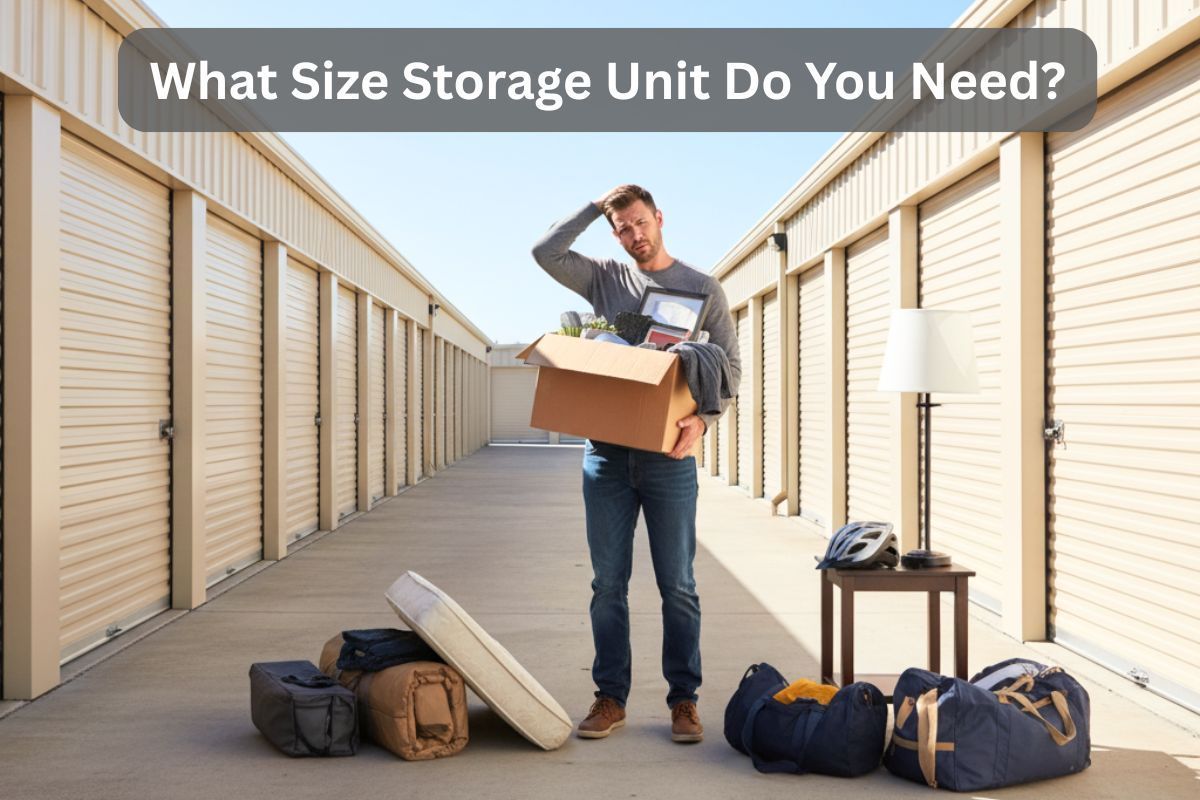
Finding the right storage unit size can make all the difference between a cluttered, cramped space and one that’s efficiently organized and easy to access. Whether you’re moving, downsizing, or simply decluttering your home, understanding your storage options helps you save time, money, and stress. At Dove Storage , we offer a range of unit sizes designed to fit every need—from small personal items to large furniture and business inventory. Here’s a complete guide to help you choose the perfect fit. 1. Start by Assessing What You Need to Store Before choosing a unit size, take inventory of what you plan to store. Are you packing away boxes of household items, or do you need space for furniture and appliances? Write down larger items—like mattresses, sofas, or dining tables—and group smaller ones into boxes or bins. Pro Tip: Stackable boxes and uniform containers help maximize your space and make it easier to plan the right size. Ask yourself: Will I need frequent access to these items? Are there fragile or bulky pieces that need extra space? Do I plan to add more items later? Once you have a clear list, you’re ready to match your needs to a storage unit size. 2. Understanding Common Storage Unit Sizes Every storage facility has its own range of sizes, but here’s a general breakdown of the most popular options available at Dove Storage: 5x5 Unit – Small Closet Size Perfect for boxes, seasonal décor, personal documents, and small furniture. Ideal for: Students, renters, or anyone looking to clear out a closet or home office. Comparable to: A small walk-in closet. 5x10 Unit – Walk-In Closet Size Holds the contents of a small room—like a twin bed, dresser, and several boxes. Ideal for: One-bedroom apartments or small storage projects. Comparable to: A large walk-in closet. 10x10 Unit – Half Garage Size A great mid-size option that fits the contents of a one- to two-bedroom apartment, including furniture, appliances, and boxes. Ideal for: Families or individuals moving between homes. Comparable to: Half of a standard garage. 10x15 Unit – Large Apartment Size Spacious enough for several rooms’ worth of items, including large furniture, bikes, and appliances. Ideal for: A two- to three-bedroom home or long-term storage during renovations. Comparable to: A large bedroom or small garage. 10x20 Unit – Standard Garage Size Accommodates the contents of a full home or small business inventory. Some even use it for vehicle storage, depending on the location. Ideal for: Families relocating or storing vehicles and large items. Comparable to: A one-car garage. 10x30 Unit – Extra-Large Space The largest size typically available. Holds the contents of a large home, including furniture, appliances, and boxes from multiple rooms. Ideal for: Full-house moves, business storage, or long-term inventory needs. Comparable to: A two-car garage. 3. Consider Climate-Controlled vs. Standard Storage Depending on what you plan to store, choosing between standard and climate-controlled units can be an important factor. Climate-Controlled Units: Best for temperature-sensitive items such as wood furniture, electronics, artwork, and important documents. These units maintain a steady environment year-round to help prevent damage from humidity and heat. Standard Units: Great for general items, garage tools, outdoor equipment, or anything that’s not affected by temperature changes. If you’re unsure, it’s always better to choose climate control for long-term peace of mind—especially for valuable or delicate belongings. 4. Maximize Your Space with Smart Packing No matter which unit size you choose, organization makes all the difference. Use sturdy, same-size boxes for easier stacking. Label everything clearly by room or category. Use shelving units to take advantage of vertical space. Keep frequently used items near the front for easy access. Create a small aisle so you can reach boxes in the back without having to move everything around. Pro Tip: Take a quick photo of your packed unit—it’ll help you remember where things are and track what’s stored. 5. Choosing the Right Size with Confidence If you’re still unsure which size fits your needs, try visualizing your belongings in a room of similar dimensions—or visit our Dove Storage Size Guide for an easy visual reference. Our online guide helps you compare unit sizes side by side and see exactly what each can hold. Remember: It’s usually better to size up slightly rather than squeeze items into a smaller unit. You’ll have room to move around, stay organized, and avoid accidental damage to your belongings. 6. Simplify Your Storage Experience with Dove Storage At Dove Storage , we make it easy to find a clean, secure, and affordable storage solution that fits your lifestyle. Whether you’re storing a few boxes or an entire household, our team is here to help you make the most of your space. From compact 5x5 units to spacious 10x30 options, Dove Storage offers flexible sizes to match your unique needs. Explore our storage size guide or visit your nearest location to see how we can help simplify your storage experience. Choosing the right storage unit is all about balance—space, convenience, and protection. With the right size, you’ll enjoy a clutter-free home and peace of mind knowing your belongings are safe and accessible whenever you need them.
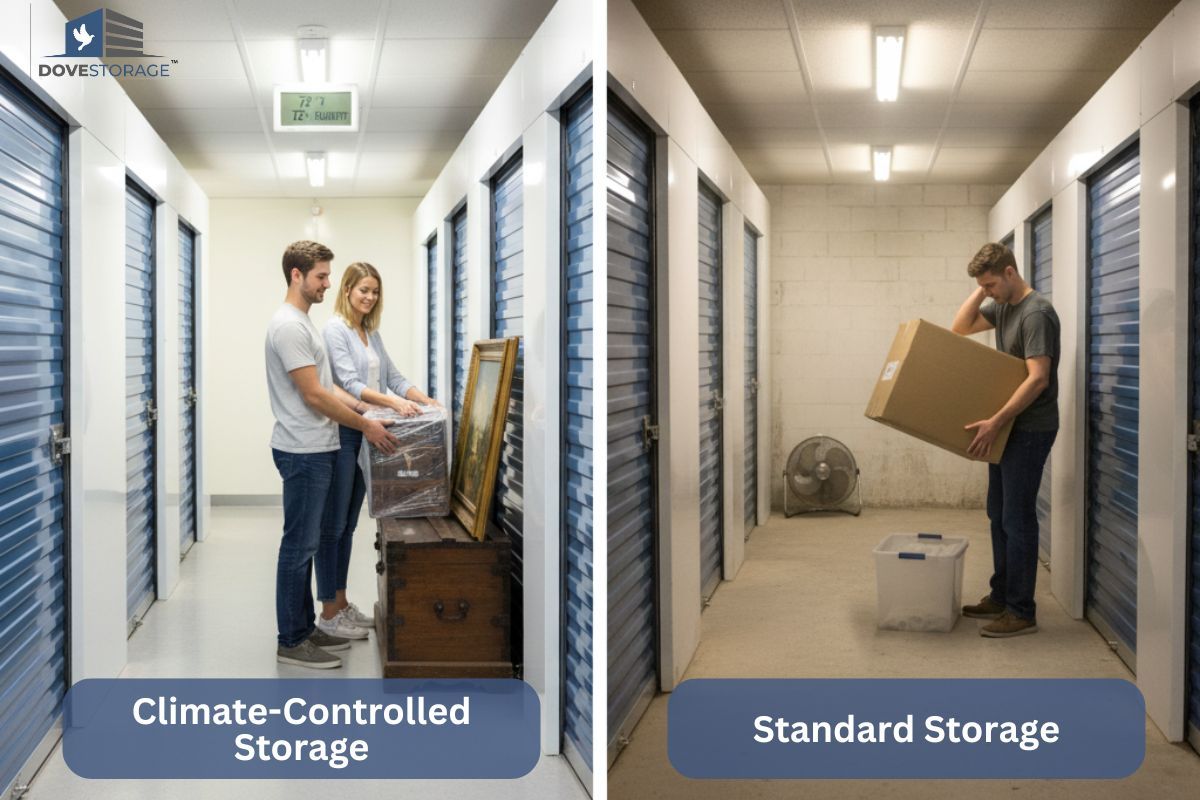
When it comes to protecting your belongings, not all storage units are created equal. The right type of self-storage can make a big difference in keeping your items safe, organized, and in great condition for the long term. Whether you’re downsizing, moving, or simply running out of space at home, choosing between climate-controlled and standard storage units is one of the most important decisions you’ll make. Here’s a breakdown of the two main types of storage units and how to determine which one fits your needs best. 1. What Is a Standard Storage Unit? Standard storage units—sometimes called drive-up units—are the most common type of self-storage. These units are typically housed in outdoor buildings with roll-up doors, allowing you to drive right up to your space for convenient loading and unloading. They’re ideal for durable items that can handle changes in temperature and humidity, such as: Outdoor furniture and gardening tools Sports and camping equipment Seasonal décor Household goods and appliances Because they offer direct vehicle access, standard units are especially convenient for larger or heavier items you’ll need to move in and out occasionally. Pro Tip: Use sturdy boxes, plastic bins, and pallets to elevate items slightly off the floor. This helps protect your belongings from moisture or dust while keeping them organized. 2. What Is a Climate-Controlled Storage Unit? A climate-controlled storage unit maintains a consistent temperature (and often humidity) year-round. These units are typically located indoors, providing an extra layer of protection from outdoor weather conditions. They’re designed for items that can be damaged by extreme temperatures, humidity, or rapid climate changes, such as: Electronics and computers Wooden furniture and musical instruments Photographs, artwork, and collectibles Important documents, books, and fabrics By regulating the environment, climate-controlled units help prevent warping, cracking, mold, and other damage caused by fluctuating weather—making them ideal for long-term or high-value storage. Pro Tip: When storing delicate or valuable items, wrap them in breathable materials instead of plastic to allow proper air circulation. 3. Comparing Climate-Controlled vs. Standard Units When comparing climate-controlled and standard storage units, the key differences come down to environment, protection level, and convenience. Climate-controlled units are designed to maintain a consistent temperature and humidity level, protecting your belongings from extreme heat, cold, and moisture. These units are typically located indoors, offering an added layer of protection from outdoor elements. They’re ideal for sensitive or valuable items such as furniture, electronics, photos, artwork, and important documents. Because of the extra technology and insulation involved, climate-controlled storage usually costs slightly more—but the added protection is well worth it for items that can be damaged by temperature changes or humidity. On the other hand, standard storage units are generally drive-up or outdoor units, meaning they’re exposed to the same temperature and humidity conditions as the surrounding environment. These units are great for durable or less sensitive items, such as tools, outdoor furniture, or seasonal equipment. They’re also more budget-friendly and offer the convenience of driving right up to your unit for quick loading and unloading. When deciding between the two, think about what you’re storing, how long you plan to store it, and how often you’ll need access. For delicate or long-term storage, climate control is the safer choice. But if you need easy, affordable access for sturdy items, a standard unit might be the perfect fit. 4. Which Storage Type Is Right for You? Both storage options offer reliable protection and convenience—it all depends on your storage needs: Choose a Climate-Controlled Unit if you’re storing antiques, documents, electronics, or anything that could be damaged by heat, cold, or humidity. Choose a Standard Unit if you’re storing tools, vehicles, or sturdy items that can handle seasonal weather changes If you’re unsure, it’s often worth opting for a climate-controlled space for extra peace of mind—especially if you plan to store items long-term. 5. Why Store with Dove Storage At Dove Storage , we provide clean, secure, and affordable storage options to meet every need. Whether you’re looking for a climate-controlled unit for delicate items or a standard drive-up space for everyday belongings, our facilities are designed to make storage simple and stress-free. Our goal is to help you find the perfect balance between convenience, protection, and value — so you can store with confidence knowing your belongings are in good hands. Final Thoughts Understanding the difference between climate-controlled and standard storage units can help you make the best decision for your belongings. Think of it as choosing the right environment for your possessions—some need a little extra care, while others just need a safe, secure place to stay. Whichever option you choose, Dove Storage offers flexible solutions to fit your lifestyle. Explore our locations today and discover the storage option that’s right for you.

Choosing the right storage unit isn’t just about finding a space to stash your stuff—it’s about making sure your belongings are safe, accessible, and stored in the right conditions for as long as you need them. Whether you’re downsizing, moving, or just running out of room at home, the right storage unit can make all the difference in keeping your items organized and protected. Here’s a step-by-step guide to help you pick the perfect storage solution for your needs. 1. Determine What You Plan to Store Start by making a list of what you intend to keep in storage. The type, size, and sensitivity of your items will help determine what kind of unit you need. Ask yourself: Am I storing household furniture or smaller personal items? Are any of these items temperature- or humidity-sensitive (like electronics, wood, or photos)? Will I need frequent access to my belongings? If you’re storing large furniture, appliances, or equipment, you’ll want a spacious unit with easy drive-up access. For documents, collectibles, or delicate items, a climate-controlled unit will be your best bet. Pro Tip: Take measurements of large items like sofas, mattresses, or tables to estimate how much space you’ll actually need. 2. Choose the Right Unit Size Storage units come in a variety of sizes, from small lockers to large garage-style spaces. Picking the right size ensures you’re not paying for unused space—or struggling to fit everything in. Here’s a quick guide: 5x5: Ideal for small boxes, seasonal décor, or personal items. 5x10: Great for the contents of a small bedroom or office. 10x10: Perfect for storing items from a one-bedroom apartment. 10x15 to 10x20: Suitable for larger homes, vehicles, or full household storage. If you’re unsure, go slightly bigger—it’s easier to move around inside the unit and prevents damage from overcrowding. 3. Consider Climate-Controlled vs. Standard Units Not all storage is created equal. Depending on what you’re storing and where you live, climate-controlled units can offer extra protection. Climate-Controlled Units: Maintain a steady temperature and humidity year-round—ideal for electronics, antiques, photos, and wooden furniture. Standard Units: Best for non-sensitive items like tools, outdoor gear, or household goods. While climate-controlled storage may cost a bit more, it’s worth it for long-term storage or valuable items. 4. Think About Accessibility Before you sign a lease, consider how often and when you’ll need access to your items. 24/7 Access: Perfect if you need flexibility or store business inventory. Drive-Up Units: Convenient for loading and unloading heavy or bulky items. Indoor Units: Offer added protection from the elements and extra security. If you’re storing something you’ll grab seasonally—like holiday decorations or camping gear—drive-up units make life easier. 5. Prioritize Security Features Peace of mind is priceless when it comes to your valuables. Look for a storage facility that offers: 24-hour video surveillance Gated access with personal entry codes On-site management or regular staff monitoring Well-lit areas, especially for evening visits These features help ensure that your belongings stay safe and protected at all times. 6. Check for Cleanliness and Maintenance A clean facility is a good sign of professional management. When touring potential storage sites, check for: Clean hallways and well-kept grounds Pest control measures in place Dry, odor-free units with no signs of leaks or moisture A well-maintained facility reduces the risk of damage to your stored items—and makes visits more pleasant. 7. Compare Costs and Rental Terms Before committing, compare pricing, rental flexibility, and available promotions. Some facilities offer discounts for long-term rentals or first-time customers. Be sure to review: Deposit and insurance requirements Late payment policies Month-to-month vs. long-term lease options Choose a plan that matches your budget and flexibility needs—without hidden fees. 8. Visit the Facility Before Renting Photos can be helpful, but nothing beats seeing a unit in person. Visiting allows you to: Verify unit size and cleanliness Test accessibility and security gates Meet the on-site staff and ask questions You’ll get a better feel for whether the facility aligns with your expectations. 9. Organize for Easy Access Once you’ve found the right unit, plan your storage layout before moving in. Place larger items at the back and stack lighter boxes on top. Keep frequently used items near the front. Label everything clearly by category or room. This simple setup will save time and frustration later when you need to grab something quickly. Final Thoughts Choosing the right storage unit is about balancing space, security, and convenience . By considering what you’re storing, how often you’ll need it, and the protection it requires, you can find a solution that keeps your belongings safe and accessible year-round. At Dove Storage , we offer clean, secure, and affordable storage units designed to fit your lifestyle. Whether you need short-term or long-term storage, our friendly team is here to help you find the perfect unit for your needs. Visit Dove Storage today to explore our wide range of unit sizes and features—because the right storage makes life simpler, safer, and more organized.

Discover how a self-storage unit can help you declutter, organize, and maximize space in your home. Learn practical tips for using storage effectively for a more organized lifestyle.

Storage unit auctions are often portrayed in TV shows and online videos as thrilling treasure hunts filled with forgotten valuables. While entertaining, these portrayals rarely show how storage auctions actually work. In reality, self-storage auctions are a legal process designed to recover unpaid rent—not a high-stakes mystery full of instant riches. Whether you’re a storage tenant or someone interested in attending auctions, understanding the facts behind these common misconceptions can help you make informed decisions. Let’s clear up some of the biggest myths about storage unit auctions and what they truly mean for renters and buyers. Myth 1: Storage Auctions Happen Without Warning Many people assume that their belongings can be auctioned off suddenly if they miss a payment—but that’s not the case. Storage facilities are required by law to follow strict procedures before holding an auction. Before an auction can occur, facilities must: Notify the tenant multiple times about overdue rent. Provide a written notice of default and an opportunity to pay. Announce the auction publicly (often online or in local listings). These notices give renters a fair chance to bring their accounts current and reclaim their items before any sale takes place. Auctions are truly a last resort, not a surprise punishment. Myth 2: Once an Auction Is Scheduled, You Can’t Get Your Belongings Back Even after an auction has been scheduled, tenants can often still recover their property. Most self-storage facilities allow renters to settle their balance up until the day before (and sometimes the morning of) the auction. As long as the outstanding fees are paid in full, the auction can be canceled, and the tenant can regain access to the unit. Pro Tip: If you’ve received a notice of lien sale, contact your facility immediately. Acting quickly can often prevent your unit from being sold. Myth 3: Storage Auctions Are Secret or Hidden Events Some believe that storage auctions are closed or private events, but in most states, they are public and transparent. Facilities are required to handle auctions with professionalism and respect. The goal is to recover overdue rent, not to profit from someone’s loss. Facilities follow legal protocols and document everything throughout the process. Once an auction is complete, the buyer must remove all contents, but sensitive personal materials—such as photos, medical records, or identification—are often handled separately and may be returned to the original tenant. Myth 4: Buyers Always Find Hidden Treasures Reality TV has created the impression that every storage unit auction holds rare antiques or piles of valuable collectibles. While that’s possible, it’s far from the norm. In reality, most units contain everyday household items—furniture, clothing, electronics, or personal documents. Buyers often take a gamble, since they’re not allowed to enter or search through the unit before bidding. They can only look inside from the doorway. It’s possible to find valuable items, but it’s equally common to find boxes of sentimental or low-value goods. Myth 5: Tenants’ Personal Belongings Are Thrown Away or Disrespected Another common misconception is that facilities carelessly discard or expose tenants’ personal items. In truth, reputable self-storage facilities handle auctions with professionalism and respect. The goal is to recover overdue rent, not to profit from someone’s loss. Facilities follow legal protocols and document everything throughout the process. Once an auction is complete, the buyer must remove all contents, but sensitive personal materials—such as photos, medical records, or identification—are often handled separately and may be returned to the original tenant. Myth 6: Auctions Are the Facility’s First Response to Late Payments Storage auctions don’t happen after a single missed payment. Facilities typically give a grace period and send multiple reminders before taking further action. Auctions are time-consuming and legally complex, so they’re viewed as a last resort. Tenants are usually given 30–90 days to resolve their balance before the facility begins the lien process. Communication is key—most facilities are willing to work with customers to arrange payment plans or extensions if they reach out early. Myth 7: You Can’t Attend or Participate Online Gone are the days when all auctions happened in person. Today, many self-storage auctions are held online, allowing buyers across the country to bid remotely. This change makes the process more efficient and accessible while maintaining transparency. For buyers, this means easier participation and the ability to research multiple listings at once. For facilities, it streamlines the process and ensures compliance with state auction laws. Myth 8: You Lose Everything If You Miss a Payment Missing one or two payments doesn’t automatically mean you’ll lose your belongings. Facilities usually reach out multiple times to resolve the issue first. However, ignoring notices or failing to communicate can result in permanent loss.If you’re struggling financially, be proactive: Contact the facility immediately to explain your situation. Ask about partial payments or temporary arrangements. Consider moving to a smaller storage unit to lower your monthly cost. Facilities prefer helping tenants stay current rather than proceeding with an auction. Storage unit auctions are not as dramatic—or as ruthless—as they’re often portrayed. They’re part of a structured, legal process designed to balance fairness for both tenants and facility owners. Most auctions only occur after multiple notices, and tenants often have ample time to settle their accounts and reclaim their property. Understanding these facts helps both renters and potential buyers navigate the process more confidently. And if you ever find yourself behind on payments, communication is your best ally—most facilities, like Dove Storage , are willing to help you find a solution before your belongings ever reach the auction stage. For reliable and secure storage solutions, visit Dove Storage and find the perfect self-storage unit for your needs today.